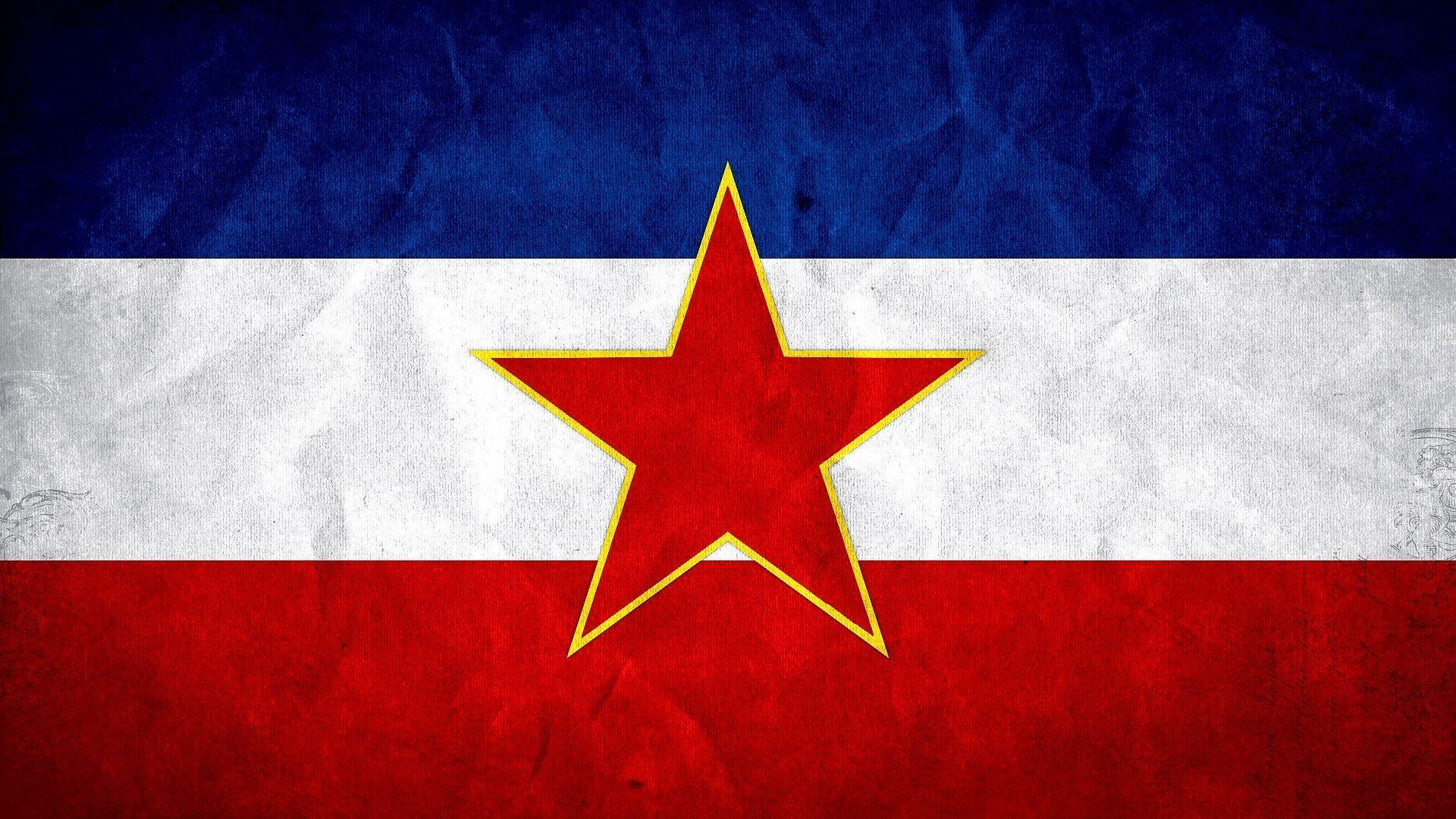
The emblems of the Yugoslav socialist republics were defined by each of its six constituent republics. Emblems appeared as a symbol of statehood on the documents of republican level, for example on the signs of the republican institutions, on watermarks of school diplomas, etc.
The emblems included old historical symbols where they could demonstrate historical compatibility with the new socialist political system – see Croatian and Serbian traditional emblem in the middle of their coats of arms; also Slovenian Mount Triglav was recognized as a symbol of Slovenian Liberation Front during the National Liberation War during World War II. Where the old symbols were deemed inappropriate (the traditional cross or eagle on the Serbian coat of arms, ethnic or religious coat of arms for Bosnia and Herzegovina, the former traditionally monarchist symbol or the historical lion for Montenegro or the historical lion for Macedonia), prominent features or unofficial national symbols were added, e.g. Mount Lovćen for Montenegro, or a pair of chimneys for Bosnia and Herzegovina. The same with the federal Yugoslav emblem: all separate republican emblems featured a red star and wheat, or other important plants from that region.
While most republics adopted new official arms during the breakup of Yugoslavia, Serbia (as a constituent state of the Federal Republic of Yugoslavia) retained the emblem from the Yugoslav era until 2004. The present-day arm of North Macedonia is still near identical to the Yugoslav one.
The individual emblems of the six Yugoslav socialist republics were as follows:
See also
- Emblem of Yugoslavia
- Coat of arms of Bosnia and Herzegovina
- Coat of arms of Croatia
- Emblem of North Macedonia
- Coat of arms of Montenegro
- Coat of arms of Serbia
- Coat of arms of Slovenia
- Socialist-style emblems
References